Table of Contents
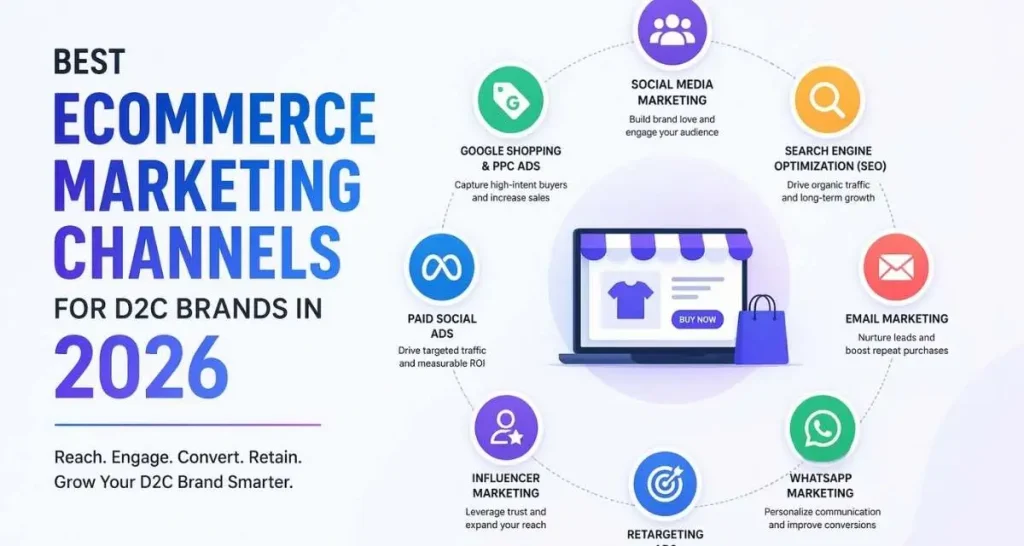
ToggleBest E-commerce Marketing Channels for D2C Brands in 2026
E-commerce keeps changing, and D2C brands are feeling that shift more than most. What worked a few years ago is not always enough now. Rising ad costs, more competition, and changing customer behavior mean brands need a smarter mix of channels to grow.
If you are building or scaling a D2C brand in 2026, the question is no longer whether to market online. The real question is where to invest time and budget for the strongest return. A balanced ecommerce marketing plan now depends on choosing the right channels, understanding customer intent, and adapting quickly.
This article breaks down the best channels for D2C brands in 2026 and how they fit into a modern D2C marketing strategy.
1. Paid Search
Paid search remains one of the most reliable channels for D2C growth because it captures high-intent shoppers. When someone searches for a product category, a comparison, or a brand name, they are often close to making a purchase.
In 2026, this also sits under SEM (Search Engine Marketing), which combines paid search ads and intent-driven visibility across search platforms.
Why it works:
- Reaches people already looking for a product
- Supports both branded and non-branded demand
- Can be optimized around conversions and ROAS
Best use cases:
- Product launches
- High-intent keywords
- Seasonal campaigns
- Competitor targeting
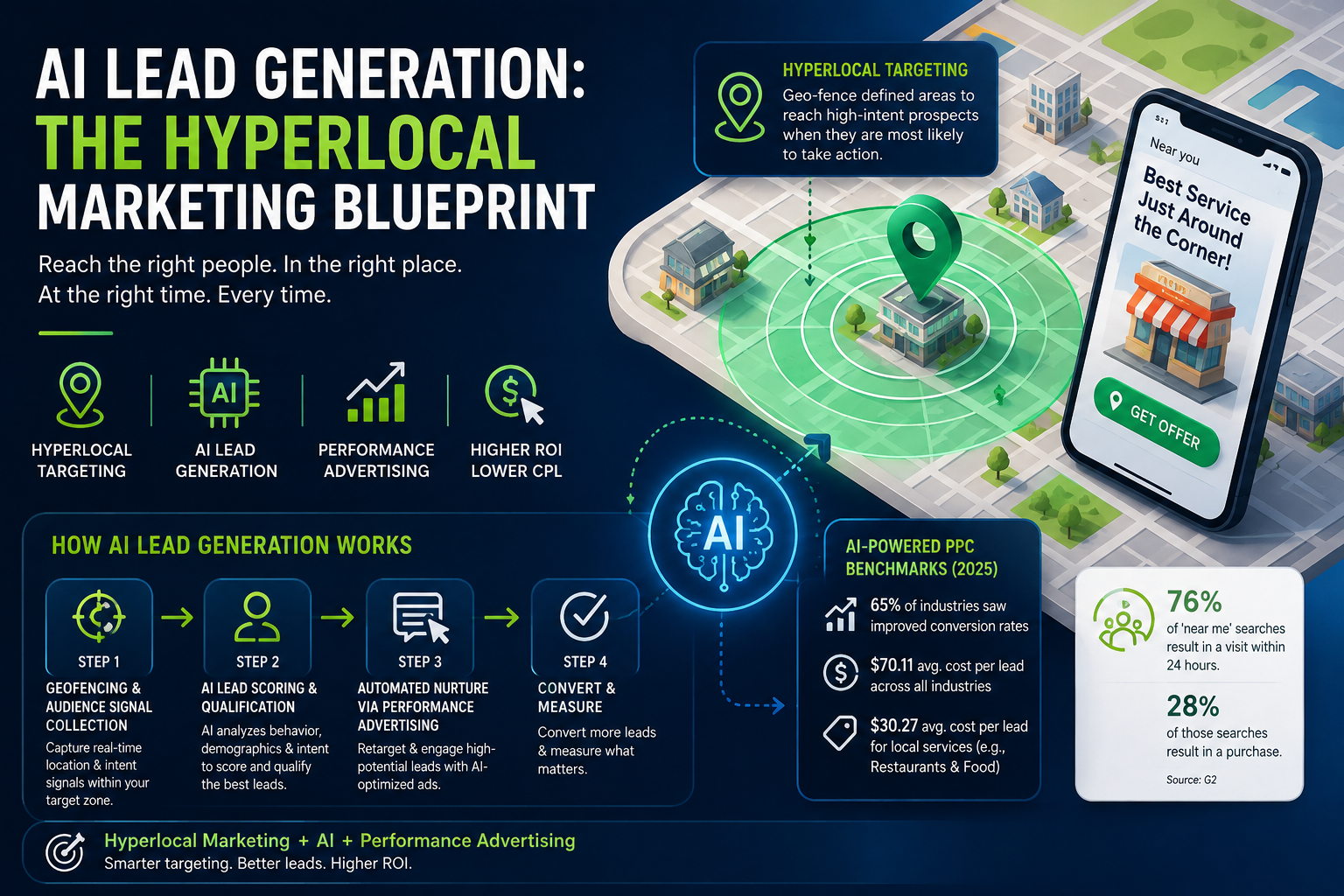
Added layer — GEO / Geo-targeting:
Modern paid search also uses geo-targeting (GEO) to show different ads based on city, region, or even micro-location. This helps D2C brands personalize offers based on local demand and delivery feasibility.
2. Paid Social (Now with Short-Form + Live Content)
Paid social continues to be a major channel for D2C brands, especially for discovery and remarketing. Platforms like Meta, TikTok, and Pinterest help brands reach people earlier in the buying journey.
Why it works:
- Strong for visual storytelling
- Useful for prospecting and retargeting
- Builds brand awareness at scale
Best use cases:
- New customer acquisition
- UGC-based campaigns
- Product education
- Retargeting visitors
Important 2026 additions:
- Instagram Shorts/Reels: Short-form content is now a primary discovery engine for D2C brands
- Live Videos (Instagram/TikTok Live): Real-time selling, demos, and product drops are driving high conversion rates
- Creator-led ads: Influencer content repurposed as paid ads performs better than studio creatives
3. Email Marketing
Email is still one of the most dependable channels in ecommerce marketing because it helps brands keep in touch with customers after the first purchase.
Key use cases:
- Welcome sequences
- Cart recovery
- Post-purchase follow-ups
- Product recommendations
- Win-back campaigns
4. Organic Search and SEO (Now evolving into AIO)
SEO remains one of the best long-term ecommerce growth strategies because it captures demand without paying for every click.
But in 2026, SEO is evolving into AIO (AI Optimization)—meaning content is not only optimized for Google but also for AI-driven search engines and answer systems.
Why it works:
- Builds a long-term traffic asset
- Increases trust and authority
- Captures high-intent organic queries
Best focus areas:
- Category pages
- Product pages
- Buying guides
- Comparison content
AIO (AI Optimization):
Brands now also optimize content so it appears in AI search results, summaries, and recommendation engines—not just traditional SERPs.
5. Influencer and Creator Marketing
Creator marketing remains one of the fastest ways to build trust in D2C.
Why it works:
- Social proof drives faster conversions
- Content can be reused in ads
- Helps reach niche audiences
Works best when combined with:
- Paid social ads
- Short-form content (Reels/Shorts)
- Live product demonstrations
6. SMS Marketing
SMS is direct, personal, and fast. It works especially well for urgent and time-sensitive communication.
Use cases:
- Flash sales
- Back-in-stock alerts
- Cart reminders
- Order updates
7. WhatsApp Marketing (New Core Channel in 2026)
WhatsApp has become a major D2C growth channel, especially in markets where mobile-first shopping is dominant.
Why it works:
- Extremely high open rates
- Conversational selling experience
- Builds direct customer relationships
Use cases:
- Abandoned cart recovery
- Product recommendations
- Customer support
- Order updates + upselling
- Broadcast offers to segmented audiences
WhatsApp works best when it feels like a conversation, not a broadcast ad.
8. Affiliate and Referral Marketing
Affiliate and referral channels help D2C brands grow with performance-based cost structures.
Why it works:
- Low upfront risk
- Expands reach through trusted voices
- Encourages word-of-mouth growth
9. Retention Marketing
Retention is critical because repeat customers drive profitability.
Why it works:
- Loyalty programs
- Subscription models
- Personalized recommendations
- Post-purchase engagement
How to Choose the Right Channel Mix
A useful approach is to divide channels into three groups:
Awareness
- Paid social (Reels, Shorts, Live videos)
- Influencers
- SEO / AIO content
Consideration
- Product pages
- Reviews
- Comparison content
Conversion
- Paid search (SEM)
- SMS + WhatsApp
- Retargeting
- Affiliate offers
Conclusion
The best ecommerce marketing channels for D2C brands in 2026 are not just the ones that drive clicks. They support the full customer journey, from first discovery to repeat purchase.
Paid search, paid social, email, SEO, creator marketing, SMS, affiliate programs, and retention tactics all have a role to play. The brands that win will be the ones that combine these channels thoughtfully rather than relying on one tactic alone.
If you want stronger growth, focus on building a balanced system that fits your audience and business model. That is where long-term ecommerce growth strategies become real.